Kratom.One supplies wholesale kratom to South Carolina businesses, direct from US manufacturers. Act No. 35 of 2025 sets the age at 21, bans fully synthetic alkaloids and requires mitragynine and 7-OH amounts on every label, but sets no numeric 7-OH cap. We check each order against it, and against Kershaw County, before we quote.
Last verified . General information, not legal advice. Wholesale to businesses only.
Short answer
Yes. South Carolina allows kratom under the Kratom Consumer Protection Act, Act No. 35 of 2025, in force since July 11, 2025. Sales to anyone under 21 are barred, fully synthetic alkaloids are banned and labels must show mitragynine and 7-OH amounts. There is no numeric 7-OH cap and no state license. Kratom.One quotes all six formats and reviews each ship-to address.
South Carolina at a glance
The short version of what applies to a South Carolina order. Full rules are on our South Carolina law page.
Formats we quote for South Carolina
The Act does not ban a format. It bans fully synthetic alkaloids and adulterants, and it sets a label that every format must carry.
Leaf powder for South Carolina buyers
Leaf powder is the easiest category to document: the label needs ingredients, mitragynine and 7-OH amounts, serving size and the vendor's street address.
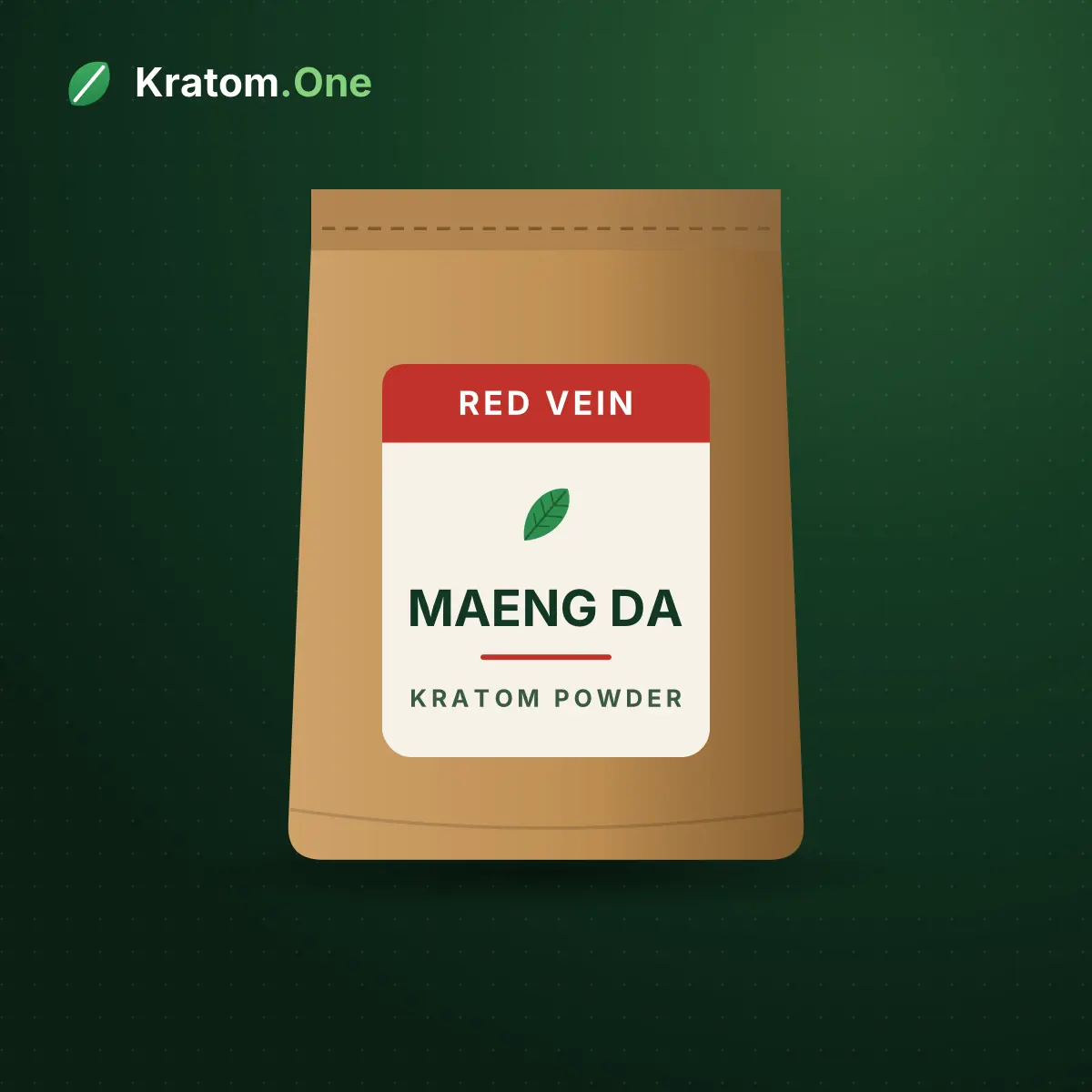
Red Maeng Da
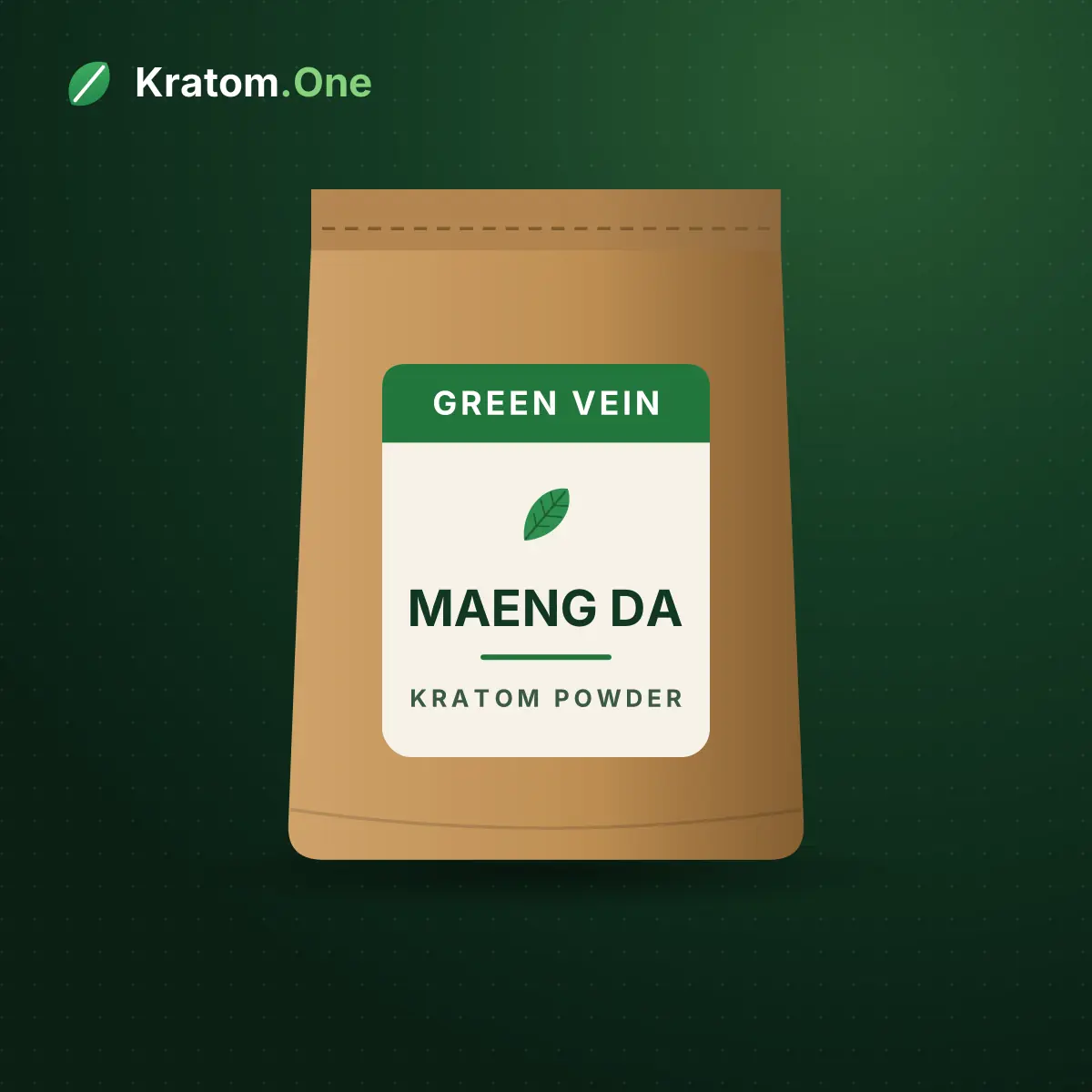
Green Maeng Da
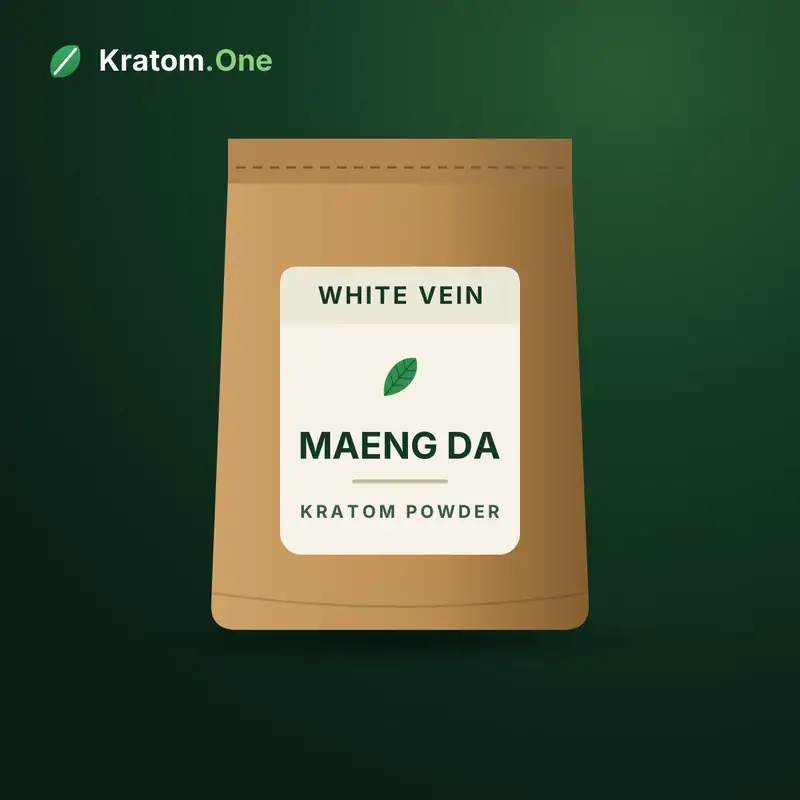
White Maeng Da
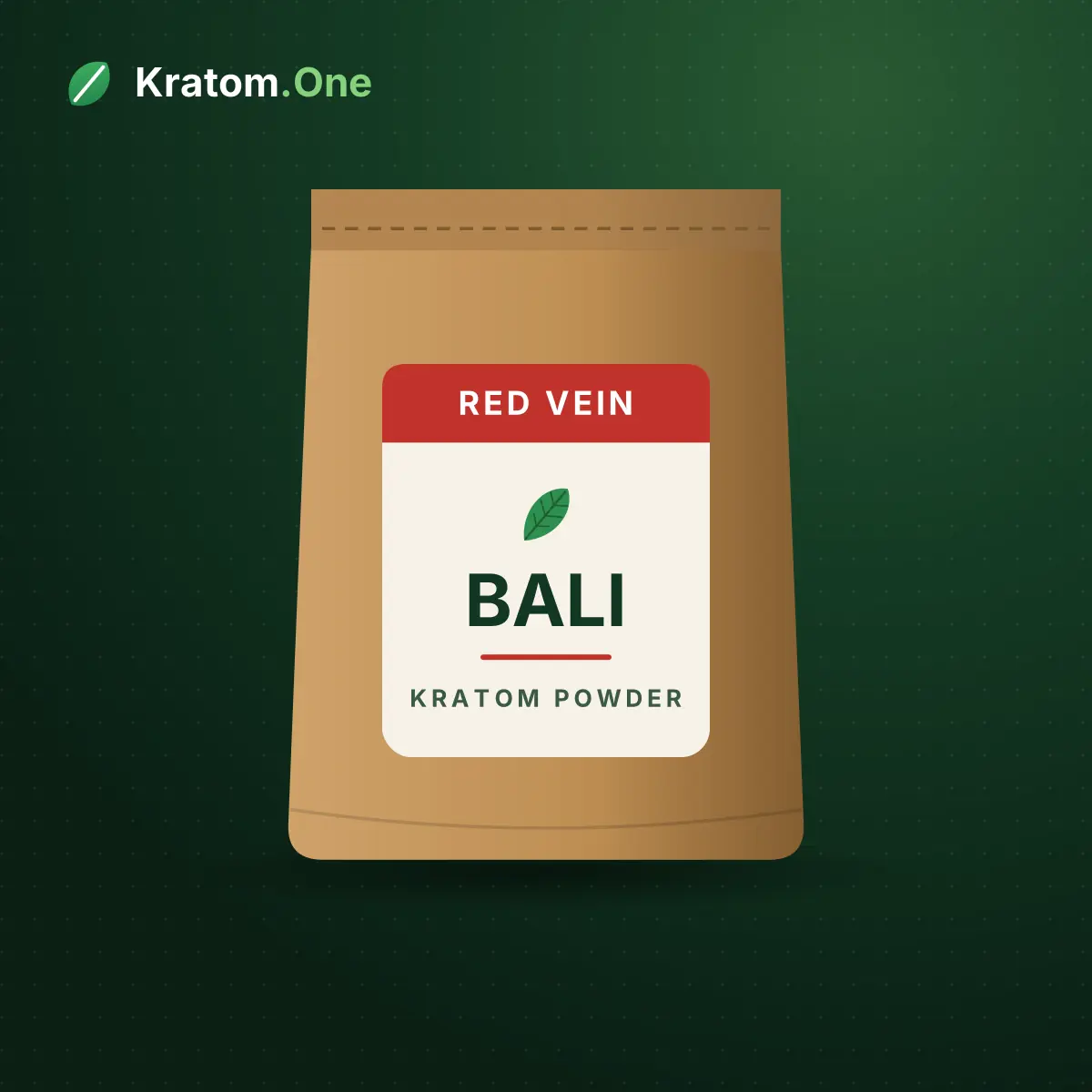
Red Bali
Green Malay
White Borneo
Crushed leaf for South Carolina buyers
Same label content as powder. The practical task is keeping a lot report on file that supports the mitragynine and 7-OH figures printed.
Crushed Kratom Leaf
Capsules for South Carolina buyers
Capsules give a fixed serving, which helps with the servings-per-container line. Residual solvents must meet USP-NF Chapter 467.
Red Vein Capsules
Green Vein Capsules
White Vein Capsules
Extracts for South Carolina buyers
The Act sets no numeric alkaloid cap, but a fully synthetic alkaloid is barred and residual solvents must meet USP-NF Chapter 467. We quote extracts against a lot report, and we do not ship concentrated or isolated 7-OH products.
Kratom Extract Powder
Liquid Kratom Extract
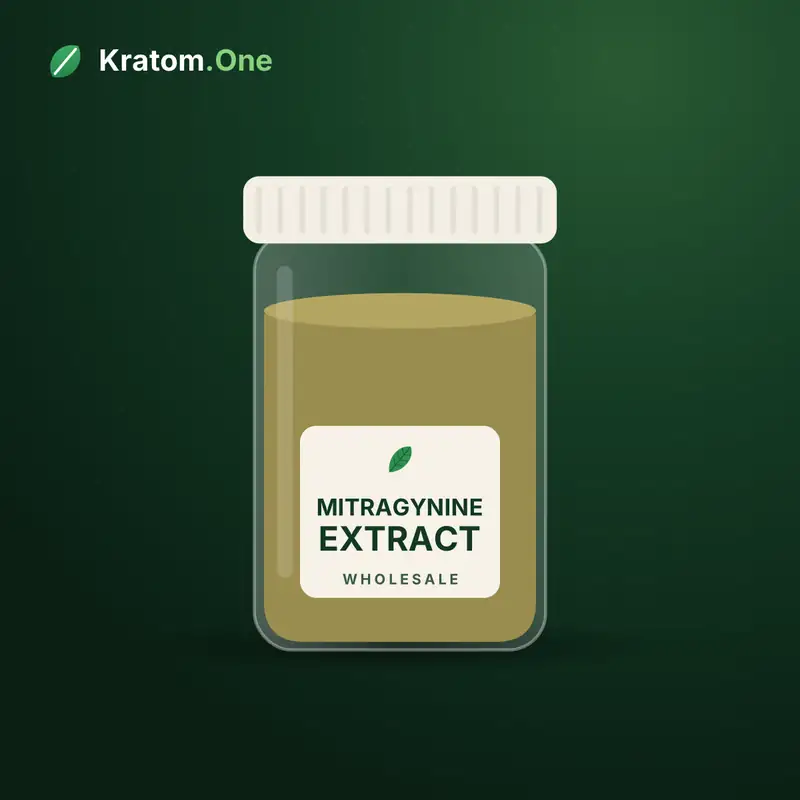
Mitragynine Extract
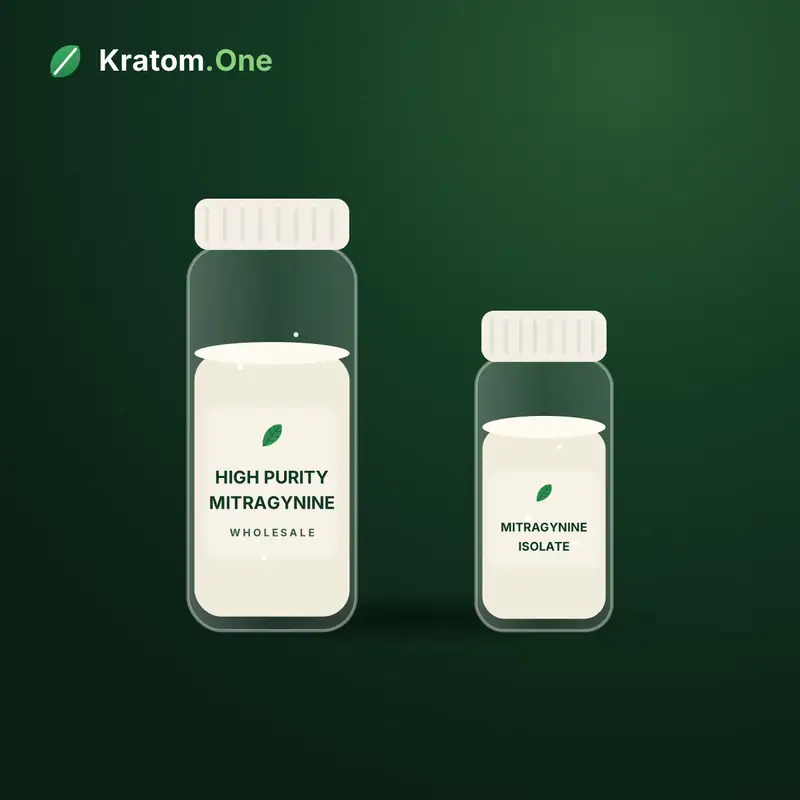
High Purity Mitragynine
Gummies for South Carolina buyers
The Act has no separate edible rule in the sources we reviewed. The under-21 statement and the full label still apply, and display and storage rules matter for retail buyers.
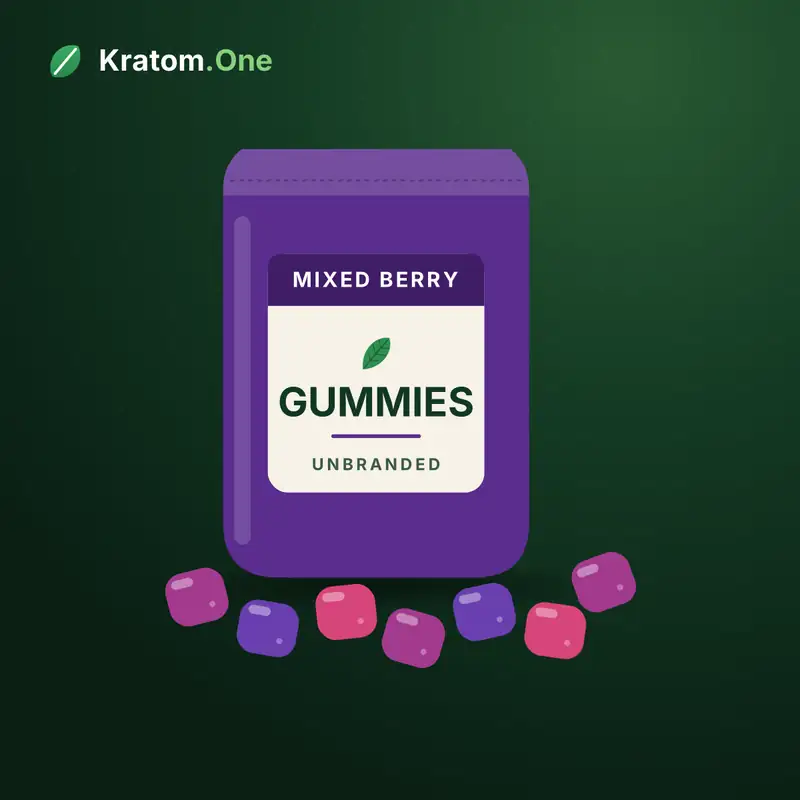
Mixed Berry Gummies
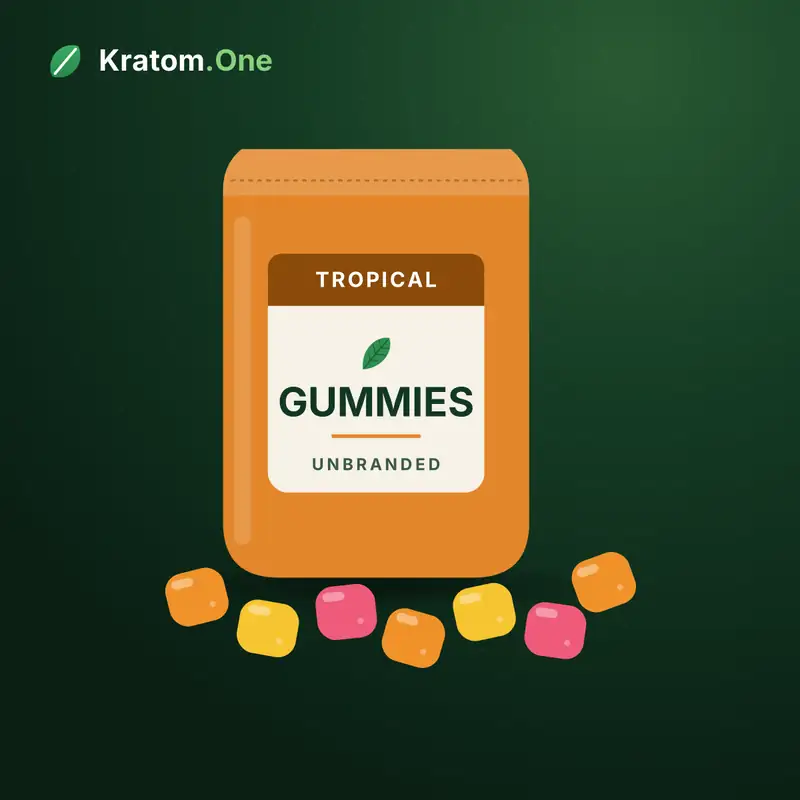
Tropical Gummies
Watermelon Gummies
Shots for South Carolina buyers
Liquids follow the same Act. Serving size and servings per container are easy to get wrong on multi-serving bottles, and solvent limits apply.
Original Shots
Citrus Shots
Berry Shots
How a South Carolina order works
-
Send your business details, products, quantities and every South Carolina ship-to address through the quote form.
-
We check each address against the Act and the local rules below, and tell you if anything needs to change before we quote.
-
We quote the order. Pricing is not published and there is no online checkout.
-
The manufacturer ships direct to you, with the lot's lab report available for the products you ordered.
South Carolina order checklist
Five things to settle before you place a South Carolina order, in the order they usually come up.
Lock down under-21 access in the store
Retailers may not display or store kratom where under-21s can reach it. Plan a behind-the-counter or closed-case layout before the first delivery arrives.
Reconcile label figures with the lot report
Mitragynine and 7-OH amounts are mandatory label content, and no cap gives you a pass-fail line. The printed numbers are the compliance test, so check them against the report for each lot.
Check solvent compliance on extracts and capsules
Residual solvents must meet USP-NF Chapter 467. Ask whether the lot report covers solvents, not just alkaloids.
Check the Kershaw County rules if you sell there
The county ordinance passed February 10, 2026 reportedly limits sales to buyers 21 and over and requires product behind the counter, in a locked case or in an area closed to minors. We have not reviewed the ordinance text.
Do not rely on semi-synthetic 7-OH being allowed
The Act bans fully synthetic alkaloids and does not expressly address semi-synthetic or converted 7-OH. Get counsel before selling any 7-OH product.
Keep one lot report per product
Retailer violations carry civil penalties under s. 44-53-2040, and the section does not clearly say which agency imposes them. A report on file is the practical safeguard.
South Carolina compliance points for buyers
Processors and retailers are both covered
The Act reaches anyone who prepares, manufactures, distributes or maintains kratom products, as well as retailers. Neither may sell to anyone under 21, and retailers may not display or store kratom where under-21s can reach it.
Fully synthetic is the line
Products made with fully synthetic mitragynine or 7-OH, adulterants, scheduled substances or excess residual solvents are barred. The Act sets no numeric 7-OH cap, and semi-synthetic or converted 7-OH is not expressly addressed, so get counsel before selling any 7-OH product. We never ship concentrated or isolated 7-OH.
Labels carry the alkaloid numbers
Each product must show ingredients, mitragynine and 7-OH amounts, serving size, servings per container, the vendor's name and principal street address, precautionary statements and an under-21 statement. We could not confirm the exact precautionary wording from the codified text.
No license, but penalties exist
The Act creates no kratom license, registration or testing mandate. Retailer violations carry civil penalties under s. 44-53-2040, and the section does not clearly say which agency imposes them. Keeping a lot report per product is the practical safeguard.
Labels and records for South Carolina
What the statute asks for on a package, and the records that let you stand behind it.
Alkaloid amounts and the vendor address
The label must list mitragynine and 7-OH amounts and the vendor's name with a principal street address. If you relabel for your own brand, your address goes on it.
Precautionary and under-21 statements
Precautionary statements and an under-21 statement are required. We could not confirm the exact precautionary wording from the codified text, so copy it from the current statute rather than from a competitor label.
What changed and what to watch
- July 11, 2025
Act No. 35 of 2025 (S.221), the Kratom Consumer Protection Act, took effect. The governor signed it May 12, 2025.
- February 10, 2026
Kershaw County Council unanimously passed an ordinance limiting kratom sales to 21 and over and setting display rules, according to news reports.
- April 30, 2026
The House passed H.4641, 98-4, which would place mitragynine, 7-OH and kratom-equivalent compounds in Schedule I. News outlets reported on May 11 that senators would not advance it in 2026.
- August 26, 2026
A DEA temporary Schedule I order for mitragynine pseudoindoxyl, MGM-15 and MGM-16 took effect. We do not supply these compounds.
Local rules inside South Carolina
Kershaw County. An ordinance passed February 10, 2026 limits kratom sales to buyers 21 and over and requires product to be behind the counter, in a locked case or in an area closed to minors, according to news reports. We did not review the ordinance text, and it is not confirmed whether it applies inside towns in the county.
South Carolina compared with nearby states
Georgia
Numeric caps where South Carolina has none: 7-OH at 0.5 mg per gram and 1 mg per serving, and mitragynine at 150 mg per serving.
North Carolina
No enacted state kratom law, no state age rule, and 21 only in Dare County.
Florida
Same age of 21, but an emergency 7-OH rule of 1 mg per gram or mL and a ppm label figure.
Bulk kratom in South Carolina FAQ
Does Kratom.One ship wholesale kratom to South Carolina?
Yes, to business buyers. Orders ship direct from US manufacturers after we review the South Carolina ship-to address against the Act and local rules.
Which kratom formats can a South Carolina store order?
Leaf powder, crushed leaf, capsules, extracts, gummies and shots. The Act bans fully synthetic alkaloids and adulterated products but not any format.
Does South Carolina cap 7-OH?
No numeric cap was found in the Act. Fully synthetic 7-OH is banned and the 7-OH amount must appear on the label. We never ship concentrated or isolated 7-OH products.
Does a South Carolina seller need a license or lab testing?
The Act creates no license, registration or testing mandate. Accurate label figures and solvent compliance still depend on a lab report, which is available for each lot we supply.
Does Kershaw County have its own kratom rule?
Yes, according to news reports of an ordinance passed February 10, 2026. It limits sales to buyers 21 and over and sets display rules, and we did not review the text.
Could South Carolina ban kratom?
H.4641, which would put kratom compounds in Schedule I, passed the House 98-4 in April 2026 but stalled in the Senate. A similar bill could return in the 2027 session, and we recheck before each quote.
Get a South Carolina quote
Tell us your products, quantities and South Carolina ship-to addresses and we will review them before we quote.
Related pages
- Is kratom legal in South Carolina?
- Bulk kratom in Georgia
- Bulk kratom in North-Carolina
- Bulk kratom in Florida
- Bulk kratom by state
- Kratom laws by state
- Wholesale kratom
- Private label
- White label
- Lab results
- Shipping and returns
- Wholesale FAQ
Sources behind the South Carolina rules
This page is general information, not legal advice. Laws change often and vary by city and county. Confirm the current rules with qualified counsel before you sell or ship.